INDIA
INDIA
 USA
USA CANADA
Beyond the Ticket: How AI for ITSM is Creating the Self-Healing IT Department
31/01/2026
In the fast-paced world of IT, the traditional service desk model is hitting its limits. Teams are buried under ticket backlogs, repetitive questions drain valuable time, and engineers spend more time searching for information than solving problems. This is where a strategic AI for ITSM solution changes the game entirely.
It’s not about replacing your team; it’s about empowering them with intelligence that transforms your IT department from a reactive cost center into a proactive, self-optimizing engine. By leveraging an AI solution for ITSM, organizations can move beyond simply processing tickets to predicting issues, automating resolutions, and building a resilient, knowledge-powered support ecosystem.
Contact us now
AI for ITSM: Building a Self-Healing IT Department | Velixa.ai
Understanding the Modern AI Solution for ITSM Challenges
Today’s IT service management – ITSM landscape is defined by complexity and volume. The core AI solution for ITSM challenges focuses on overcoming three critical pain points: alert fatigue, inconsistent resolution paths, and fragmented knowledge. Legacy systems often create data silos, leaving engineers to manually bridge gaps between ticketing platforms like Service Desk Plus, communication hubs like Microsoft Teams, and knowledge repositories.
This is where modern AI for ITSM platforms shine. They act as a unifying layer of intelligence, integrating with your existing service desk tools to analyze historical data, understand context, and provide guided, consistent support. This approach directly enhances service desk support by reducing mean time to resolution (MTTR) and improving first-contact resolution rates.
The Rise of Agentic AI for ITSM: From Assistant to Proactive Partner
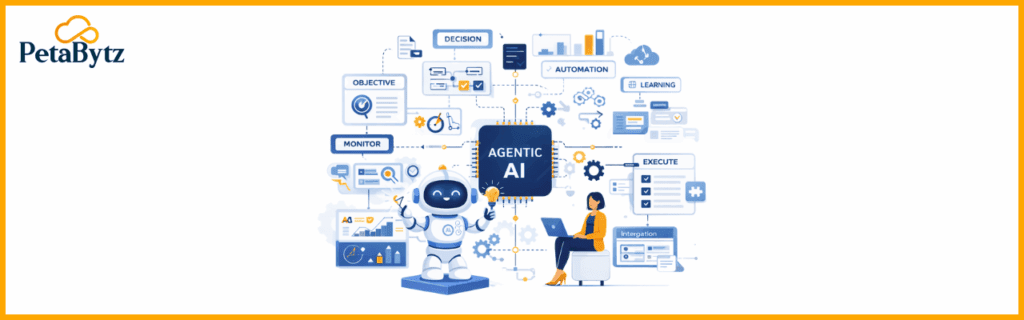
A significant evolution in this space is the move from basic chatbots to Agentic AI for ITSM. While traditional automation follows predefined rules, Agentic AI for ITSM systems are designed with autonomy and goal-oriented reasoning. Think of it as the difference between a tool that fetches a document and a partner that diagnoses a problem, retrieves the relevant solution from your Service Knowledge Management System (SKMS), and executes the resolution steps all while keeping the human engineer in the loop.
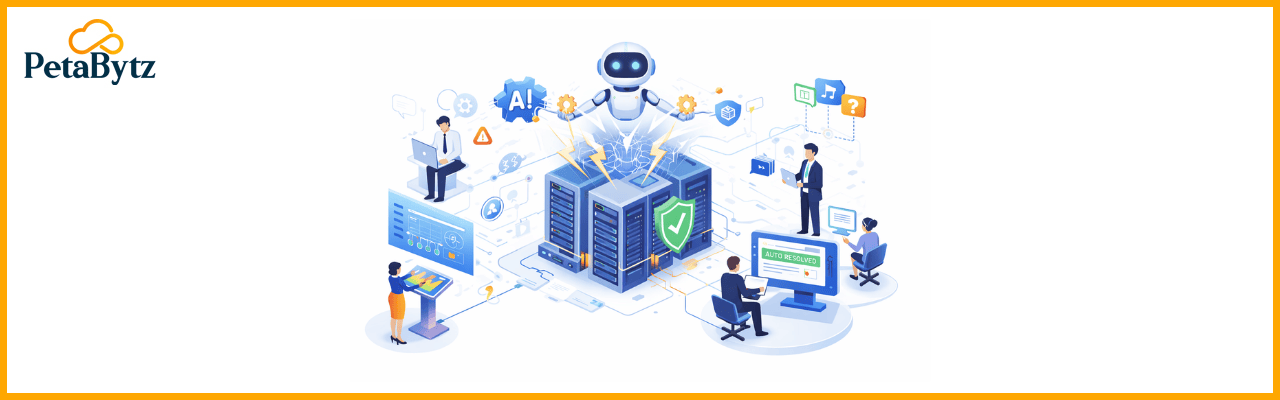
This represents the foundation of a self-healing IT department. An agentic system can monitor ticket patterns, identify a recurring network slowdown, and proactively suggest a patch based on resolved past incidents, often before a user even submits a ticket. This proactive capability is the hallmark of next-generation it service management – ITSM.
Velixa.ai: Your Intelligent Conversational Partner for ITSM
This vision of intelligent, conversational support is embodied in solutions like Velixa.ai, an AI-powered conversational assistant built for modern IT service management – itsm. Velixa is designed to optimize support operations not by acting alone, but by supercharging your team. It integrates natively into platforms like Microsoft Teams and Service Desk Plus, serving as the intelligent frontline for your service desk support.
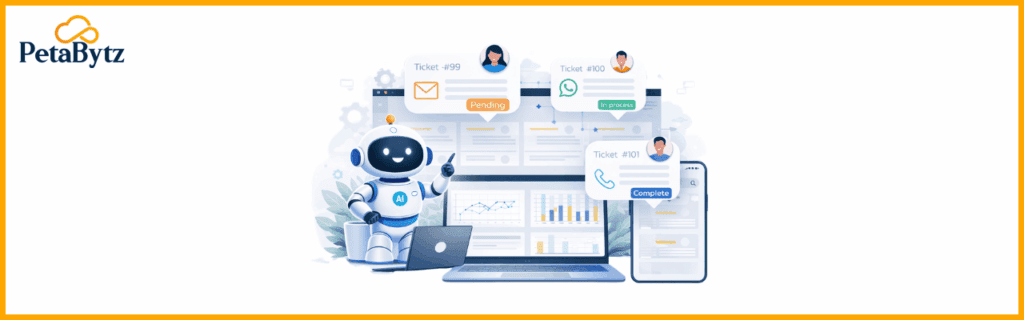
For end-users, Velixa provides instant, accurate assistance through conversational chat, deflecting common tickets and allowing them to track issues seamlessly. For engineers, it delivers real-time ticket insights, full context, and AI-powered resolution suggestions pulled from your Service Knowledge Management System and past tickets directly inside their workflow.
For managers, Velixa offers instant reports and dashboards with SLA insights and performance metrics, enabling data-driven decisions. By acting as a unifying AI solution for ITSM, Velixa enhances efficiency without disrupting your existing it ServiceDesk ecosystem, making the journey toward a self-healing department practical and immediate.
Building Blocks of a Self-Healing IT Department with AI
Implementing AI for ITSM to create self-healing capabilities rests on several key pillars:
Centralized Intelligence with a Dynamic SKMS: The heart of self-healing is a robust Service Knowledge Management System (SKMS) that the AI can access and learn from. An AI solution for ITSM continuously enriches this knowledge base with every resolved ticket, creating a living, growing repository of institutional wisdom.
Proactive Analytics and Prediction: Beyond reacting to tickets, AI analyzes trends to predict incidents. By spotting patterns in your it service management – itsm data, it can alert teams to potential system failures or seasonal spikes in common issues.
Automated, Context-Aware Resolution Workflows: For known issues, AI can guide users through self-service fixes or provide engineers with step-by-step resolution playbooks, ensuring consistency and speed. This automation is key to handling high-volume, low-complexity tickets that overwhelm a service desk.
Seamless Integration Across the Toolchain: A true AI for ITSM platform doesn’t exist in a vacuum. It must integrate deeply with your existing itservicedesk software, communication tools, and monitoring systems to have a complete picture and act effectively.
The Tangible Benefits: Efficiency, Insight, and Satisfaction
The shift to an AI-augmented, self-healing model delivers clear, measurable returns:
Dramatically Improved Engineer Productivity: Engineers spend less time triaging and searching and more time solving complex problems. AI-powered suggestions slash resolution times for L1 and L2 issues.
Enhanced User and Employee Experience: Faster, 24/7 support through conversational AI leads to higher satisfaction. Users get instant answers without navigating complicated service desk support portals.
Predictive Operations and Cost Reduction: By preventing incidents and automating resolutions, organizations reduce downtime and the operational costs associated with firefighting.
Data-Driven Continuous Improvement: Managers gain unparalleled visibility into service desk performance, SLA adherence, and team workload, enabling proactive process refinement.
Contact Us
If you want to understand how Agentic AI can work for your finance and accounting processes, our team is here to help.
Website: www.petabytz.com
Email: info@petabytz.com
Reach out to discuss real use cases, implementation approach, or a tailored Agentic AI solution for your organization.
Q: What is AI for ITSM, and how is it different from a regular chatbot?
A: AI for ITSM refers to the application of artificial intelligence to enhance IT Service Management. Unlike a basic rule-based chatbot that can only answer FAQs, a comprehensive AI solution for ITSM like Velixa.ai understands context, integrates with ticketing systems and knowledge bases, classifies issues, and suggests intelligent resolution steps based on historical data, acting as a true partner to the service desk team.
Q: Can an AI solution for ITSM integrate with our existing tools like Service Desk Plus?
A: Absolutely. A core feature of a modern AI for ITSM platform is seamless integration. Solutions are designed to work alongside popular itservicedesk tools such as Service Desk Plus, Jira, and ServiceNow, as well as communication platforms like Microsoft Teams, pulling data and providing insights without requiring a disruptive overhaul of your current stack.
Q: How does AI contribute to a Service Knowledge Management System (SKMS)?
A: AI transforms a static SKMS into a dynamic, self-learning brain. It automatically surfaces relevant knowledge articles during ticket resolution, suggests updates based on new solutions, and identifies gaps in documentation. This ensures your Service Knowledge Management System is continuously refined and becomes more valuable over time.
Q: We have a small IT team. Is an AI solution for ITSM like Velixa.ai relevant for us?
A: Yes. AI for ITSM is a powerful force multiplier for teams of all sizes. For smaller teams, it is especially valuable as it automates repetitive tasks, provides expert-like guidance to handle a broader range of issues, and ensures consistent service desk support, allowing your small team to operate with the efficiency and scalability of a much larger one.
Recent Posts