INDIA
INDIA
 USA
USA CANADA
Self Healing IT Systems: The Ultimate Guide to Smarter, Faster ITSM Workflows in 2026
02/04/2026
Your IT team is constantly fighting fires. A server goes down at 2 AM, an application crashes during peak hours, and tickets pile up faster than your team can resolve them. Sound familiar? You are not alone. According to Forrester, IT teams spend nearly 30% of their workweek on repetitive, manual tasks that could be automated. Worse, the Ponemon Institute found that the average cost of IT downtime has crossed $9,000 per minute for large enterprises in 2024. This is exactly why self healing IT systems are no longer a luxury; they are a business necessity. In 2026, with 60% of enterprises expected to adopt AI-driven IT operations, organizations that still rely on manual incident response are falling dangerously behind. The good news? You do not have to.
Contact us now
Self Healing IT Systems: Smarter ITSM in 2026
What Are Self Healing IT Systems and Why Should You Care?
At its core, self healing it refers to an infrastructure that can detect problems, diagnose the root cause, and fix itself automatically without waiting for a human to step in. Think of it as giving your IT environment a built-in immune system.
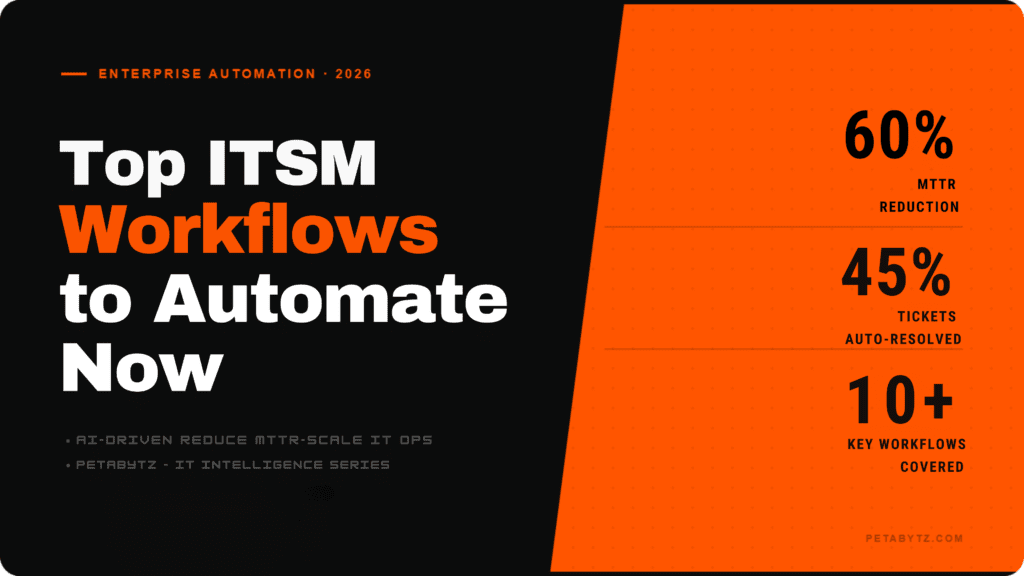
According to Gartner, unplanned IT downtime costs businesses an average of $5,600 per minute. Meanwhile, IBM reports that organizations using AI-powered automation reduce their incident resolution time by up to 60%. Those are numbers you simply cannot ignore.
Traditional ITSM services depend heavily on human monitoring, manual ticket creation, and reactive troubleshooting. Self healing IT systems flip that model on its head by making your infrastructure proactive, predictive, and automatically responsive.
How Do Self Healing IT Systems Actually Work?
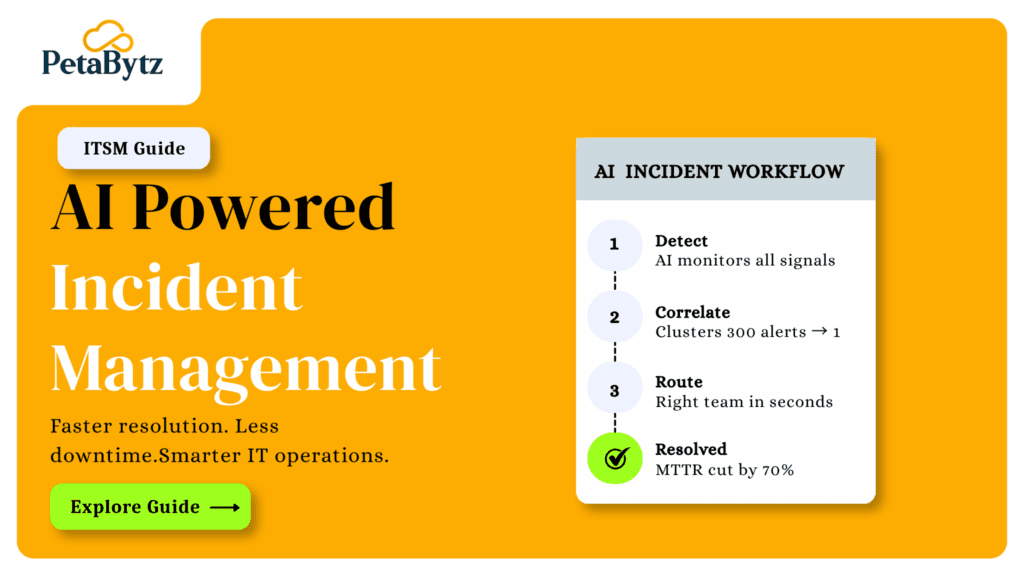
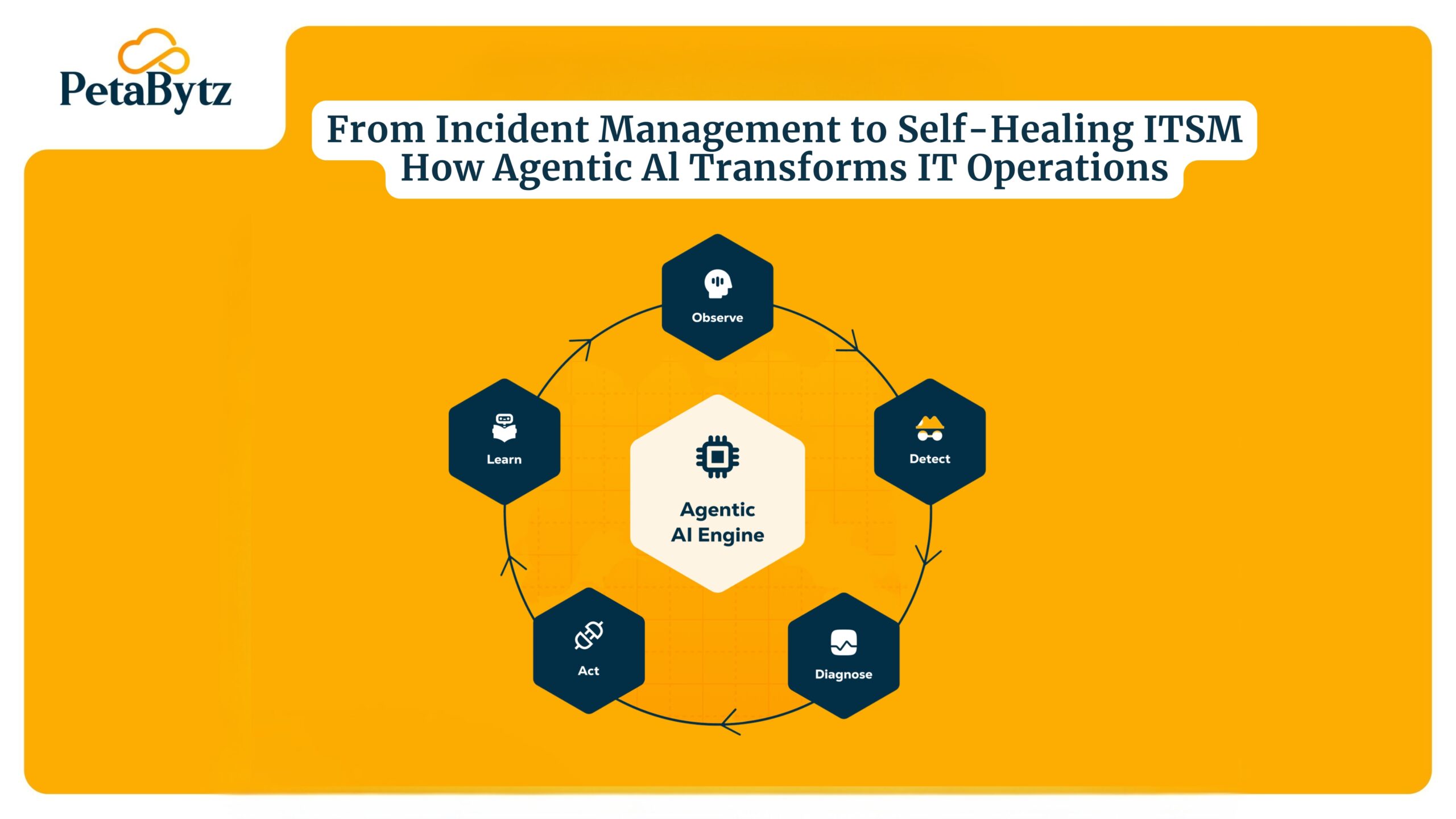
Understanding the mechanics behind it self healing helps you appreciate its true power. These systems typically work across four intelligent stages:
- Detect: Continuous monitoring tools scan your infrastructure 24/7, capturing anomalies in real time before they become full-blown outages.
- Diagnose: AI algorithms analyze historical data and current signals to pinpoint the exact root cause of the problem.
- Remediate: Pre-built automated workflows kick in and resolve the issue, whether it is restarting a service, reallocating resources, or rolling back a faulty deployment.
- Learn: The system logs the event, updates its knowledge base, and gets smarter with every incident so the same problem is less likely to happen again.
The Real Pain Points Self Healing IT Systems Solve for Your Team
Let us be honest. Your IT team is talented but stretched thin. Here are the critical problems that self healing IT systems eliminate directly:
Alert Fatigue Killing Productivity
Studies show that IT teams receive thousands of alerts daily, yet up to 80% of them are either false positives or low-priority noise. Self healing IT systems filter, correlate, and act on only what truly matters, cutting alert fatigue significantly.
Slow Incident Response Burning Business Hours
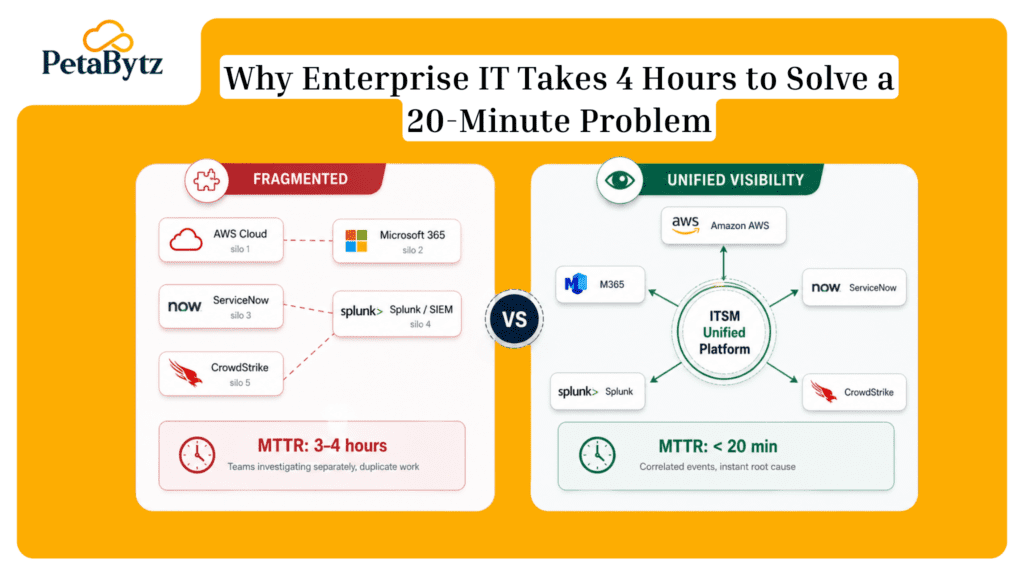
When engineers manually hunt down an issue, every minute translates into revenue loss. Self healing IT systems detect and resolve common incidents in seconds, not hours. Your team can focus on strategic work instead of being stuck in a reactive loop.
Scaling Complexity Without Scaling Headcount
As your business grows, so does your IT complexity. Hiring more people is not a scalable solution. Self healing IT systems scale with your infrastructure automatically, managing complexity that would otherwise overwhelm a human team.
Choosing the Right ITSM Software and Tools for Self Healing Capabilities
Not all itsm software is built for automation. When evaluating itsm tools for self healing capabilities, here is what to prioritize:
- AIOps Integration: The platform should connect AI-driven observability with automated remediation workflows.
- Orchestration Depth: Look for self healing tools for orchestration workflows that can coordinate actions across multiple systems and environments simultaneously.
- Customizable Runbooks: Automated runbooks should be easy to create, test, and update as your environment evolves.
- Wide Integrations: Your itsm software must integrate seamlessly with cloud platforms, CI/CD pipelines, monitoring tools, and ticketing systems.
- Reporting and Visibility: Real-time dashboards and post-incident analysis help you measure the ROI of your self healing IT systems continuously.
Implementing Self Healing IT Systems: A Practical Roadmap That Works
Rolling out self healing IT systems does not have to be overwhelming. A phased approach gives you measurable wins early while building toward full automation maturity.
- Phase 1 – Audit and Baseline: Map your most frequent incidents, their resolution times, and the teams involved. This data becomes the foundation of your automation strategy.
- Phase 2 – Automate the Obvious: Start with repetitive, low-risk tasks like password resets, disk space cleanup, and service restarts. These deliver quick ROI and build team confidence.
- Phase 3 – Build Predictive Workflows: Integrate machine learning models to predict failures before they occur and trigger preventive actions automatically.
- Phase 4 – Continuous Improvement: Use insights from your itsm services platform to refine your runbooks, expand automation coverage, and track KPIs like MTTR and ticket deflection rates.
Powerful Benefits of Self Healing IT Systems You Will Notice Immediately
Organizations that invest in self healing IT systems report transformative results across the board. Here is what you can expect:
- Up to 70% reduction in mean time to resolution (MTTR) for common incidents
- Significant decrease in after-hours escalations and on-call burnout
- Lower operational costs by automating tasks that previously required senior engineers
- Stronger SLA compliance across all itsm services
- Higher end-user satisfaction as issues are resolved before anyone even notices them
Common Mistakes to Avoid When Deploying Self Healing IT Systems
Even great technology fails when the implementation goes wrong. Watch out for these pitfalls:
- Automating without understanding: Automate what you fully understand first. Blindly automating complex, poorly documented processes creates new risks.
- Skipping human oversight guardrails: Self healing does not mean no oversight. Set approval gates for high-impact actions so your team stays in control.
- Ignoring team training: Your people need to understand how the system works, how to update runbooks, and how to interpret automated decisions confidently.
How PetaBytz Technologies Can Help You Build Resilient Self Healing IT Systems
At PetaBytz Technologies Inc, we specialize in designing and deploying self healing IT systems tailored to your business environment. From building robust itsm services frameworks to implementing intelligent self healing tools for orchestration workflows, our team brings the expertise and technology you need to modernize your IT operations.
Whether you are just starting to explore it self healing capabilities or looking to scale an existing automation program, we work alongside your team to deliver measurable outcomes fast. Our approach combines the right itsm tools, smart architecture, and ongoing support to ensure your self healing IT systems keep performing at their best
Ready to Transform Your IT Operations?
Stop reacting. Start healing. Let PetaBytz Technologies help you build self healing IT systems that protect your business around the clock. Schedule a free consultation with our ITSM experts today and see how we can reduce your downtime, cut costs, and empower your team to focus on what actually matters.
Contact PetaBytz Technologies Inc
Website: www.petabytz.com
Email: info@petabytz.com
Frequently Asked Questions (FAQ’s)
1. What are self healing IT systems and how do they work?
Self healing IT systems are intelligent infrastructure environments that automatically detect, diagnose, and resolve IT issues without human intervention. They use AI, machine learning, and automated runbooks to monitor your systems continuously, identify anomalies, and trigger corrective actions in real time. This dramatically reduces downtime and takes the pressure off your IT team.
2. Which ITSM tools support self healing capabilities in 2026?
Several leading itsm tools now include built-in self-healing or AIOps features, including ServiceNow, BMC Helix, and platforms with deep automation and orchestration capabilities. When choosing itsm software, look for tools that offer AI-driven event correlation, automated remediation workflows, and strong integration support across your existing technology stack.
3. How do self healing tools for orchestration workflows help IT teams?
Self healing tools for orchestration workflows allow your IT environment to coordinate complex multi-step remediation actions across different systems automatically. Instead of requiring a human to manually run through a checklist during an incident, the orchestration layer handles everything, from identifying the problem to restoring service, all while logging every action for audit and review.
4. Can small and mid-sized businesses benefit from self healing IT systems?
Absolutely. Self healing IT systems are not just for large enterprises. Small and mid-sized businesses often benefit even more because they operate with leaner IT teams and cannot afford extended downtime. Modern itsm services and automation platforms are now available at accessible price points, making it self healing a realistic and smart investment for growing organizations of any size.
Recent Posts