INDIA
INDIA
 USA
USA CANADA
Transform Workforce Quality With a Skills Based Hiring Strategy
18/05/2026
You shortlist a candidate with a great degree from a top university. They sail through the interviews. Six months later, they can’t do the actual job.
Sound familiar? It’s one of the most common — and costly — hiring failures happening across industries right now. And it’s almost always the result of the same root problem: hiring based on credentials instead of capability.
Skills based hiring flips that entire process on its head.
In this guide, you’ll learn:
- Why traditional resume-based hiring is failing companies at scale
- What skills based hiring is and how it actually works
- How to implement a skill based hiring strategy step by step
- Real-world results from companies already making the shift
- Common challenges and how to overcome them
Contact us now
Transform Workforce Quality With Skills Based Hiring
The problem with traditional hiring – and why it’s getting worse
Degrees and job titles are poor predictors of job performance
For decades, the resume has been the default hiring filter. A degree from the right school or a job title at a recognizable company was enough to get a candidate through the door.
But research consistently shows that academic credentials are weak predictors of on-the-job performance. In fact, a landmark McKinsey study found that only 16% of employers believe new hires are well-prepared for the demands of their roles.
- Over 70% of hiring managers report struggling to find candidates with the right skills — despite a surplus of applicants
- Degree requirements cut out 70 million Americans who have the skills but not the diploma
- Mismatched hires lead to disengagement, low output, and early attrition
The real cost of a bad hire
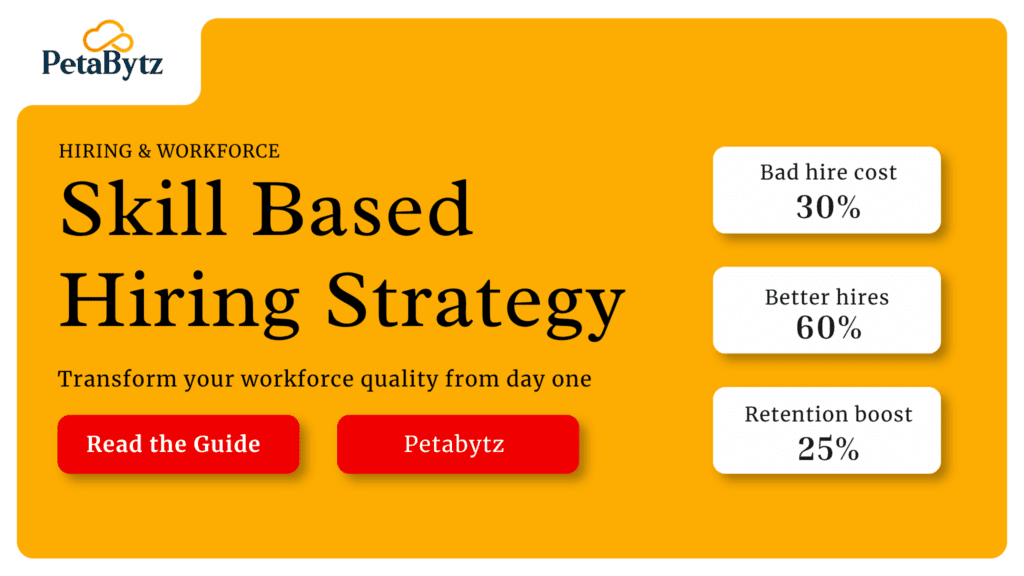
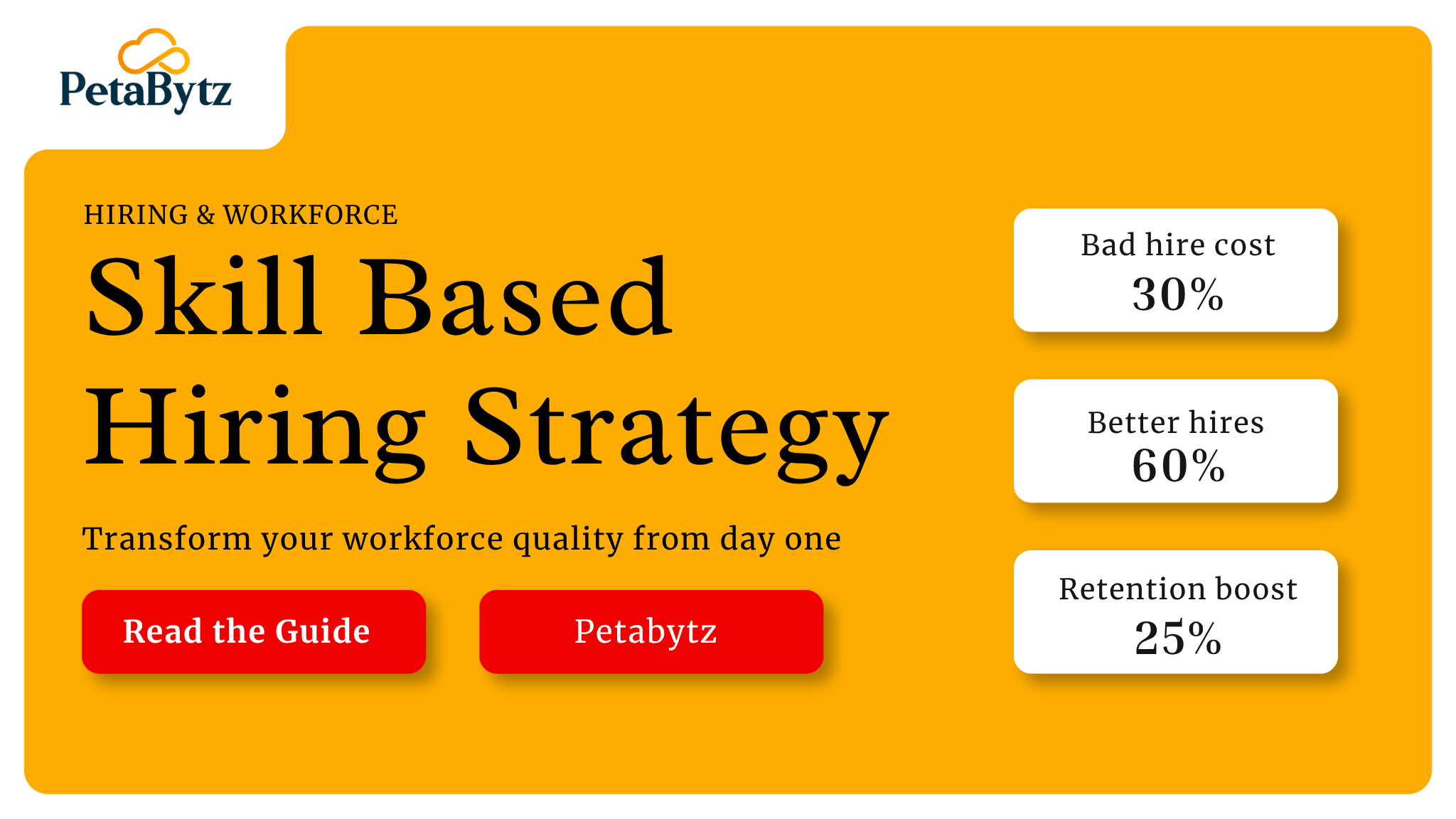
Bad hires are expensive. The U.S. Department of Labor estimates the cost of a single bad hire at 30% of that employee’s annual salary. For a mid-level role, that’s easily $15,000–$25,000 in lost productivity, retraining, and recruiting costs.
That number climbs even higher when you factor in team morale, client impact, and the time your managers lose to managing underperformers.
What is skills based hiring? A clear definition
Core principles of skill based hiring
Skills based hiring is an approach where hiring decisions are made primarily on a candidate’s demonstrated ability to do the job — not where they went to school or what titles they’ve held.
It replaces credential-screening with practical evaluation. Candidates are assessed on the specific technical and soft skills the role actually requires.
- Focus shifts from ‘what did you study?’ to ‘what can you do?’
- Job descriptions list required competencies, not arbitrary degree requirements
- Assessments, work samples, or structured interviews validate skills directly
- Hiring decisions are more objective and data-driven
Industries already adopting skill-based hiring
Skills based hiring is no longer a fringe idea. It’s already mainstream in high-demand industries. Tech companies have led the charge, but healthcare, manufacturing, and logistics are quickly following.
- Technology — software engineers and data analysts hired via coding assessments, not degrees
- Healthcare — clinical competency testing over paper qualifications alone
- Manufacturing — trade skills verified through hands-on assessment
How skills based hiring transforms workforce quality
Hire for what people can do, not just what they studied
When you focus on actual capability, you naturally find better-fit candidates. Skill based hiring connects job requirements directly to candidate evaluation — eliminating the guesswork.
According to LinkedIn’s Future of Recruiting report, 73% of hiring professionals agree that skills based hiring produces better candidates than traditional methods. That’s a significant consensus.
Reduces bias and increases workforce diversity
Traditional hiring is riddled with unconscious bias — from school prestige to name recognition. Skills based hiring removes many of those filters. What matters is performance, not pedigree.
- Companies using skill-based hiring see up to 2x increase in diverse candidates reaching final-round interviews
- Removing degree filters opens the talent pool by 50% or more in some roles
- Objective assessments reduce interviewer bias in early screening
Improves retention and long-term performance
When someone is genuinely capable of doing a job — not just qualified on paper — they perform better and stay longer. Skills based hiring improves role-fit from day one.
A TestGorilla study found that 91% of employers who adopted skills based hiring reported a reduction in mis-hires. Retention rates improved by an average of 25% within the first year.
How to implement skills based hiring – a step-by-step guide
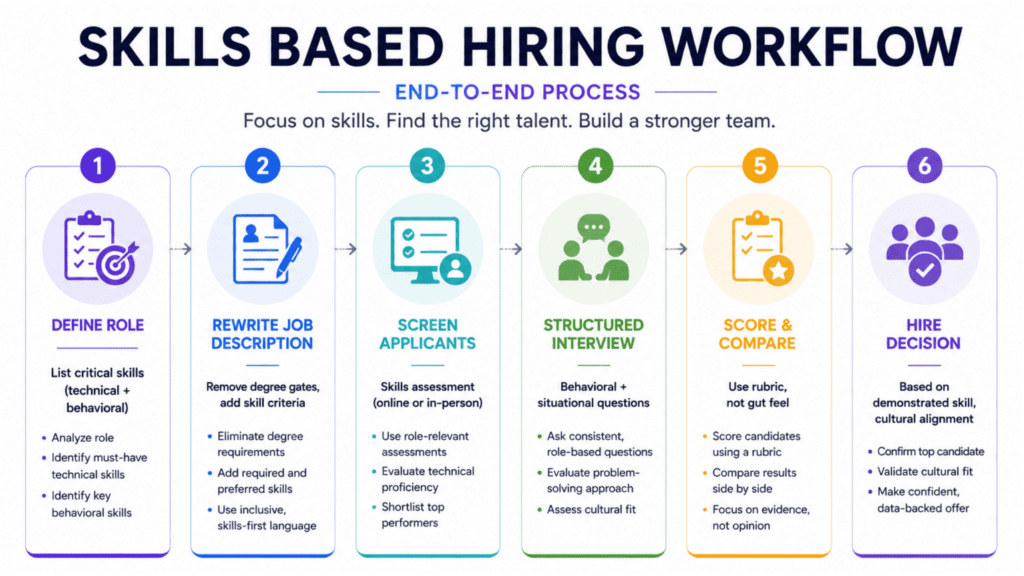
Building a skills based hiring strategy doesn’t require overhauling everything overnight. Start with these four structured steps.
Step 1 : Identify critical skills for each role
Start with your highest-volume or highest-impact roles. Work with team leads and current top performers to define what skills actually drive success in each position.
- Separate ‘must-have’ skills from ‘nice-to-have’ skills
- Include both technical and behavioral competencies
- Review skill requirements every 12 months as roles evolve
Step 2 — Replace or rework job descriptions
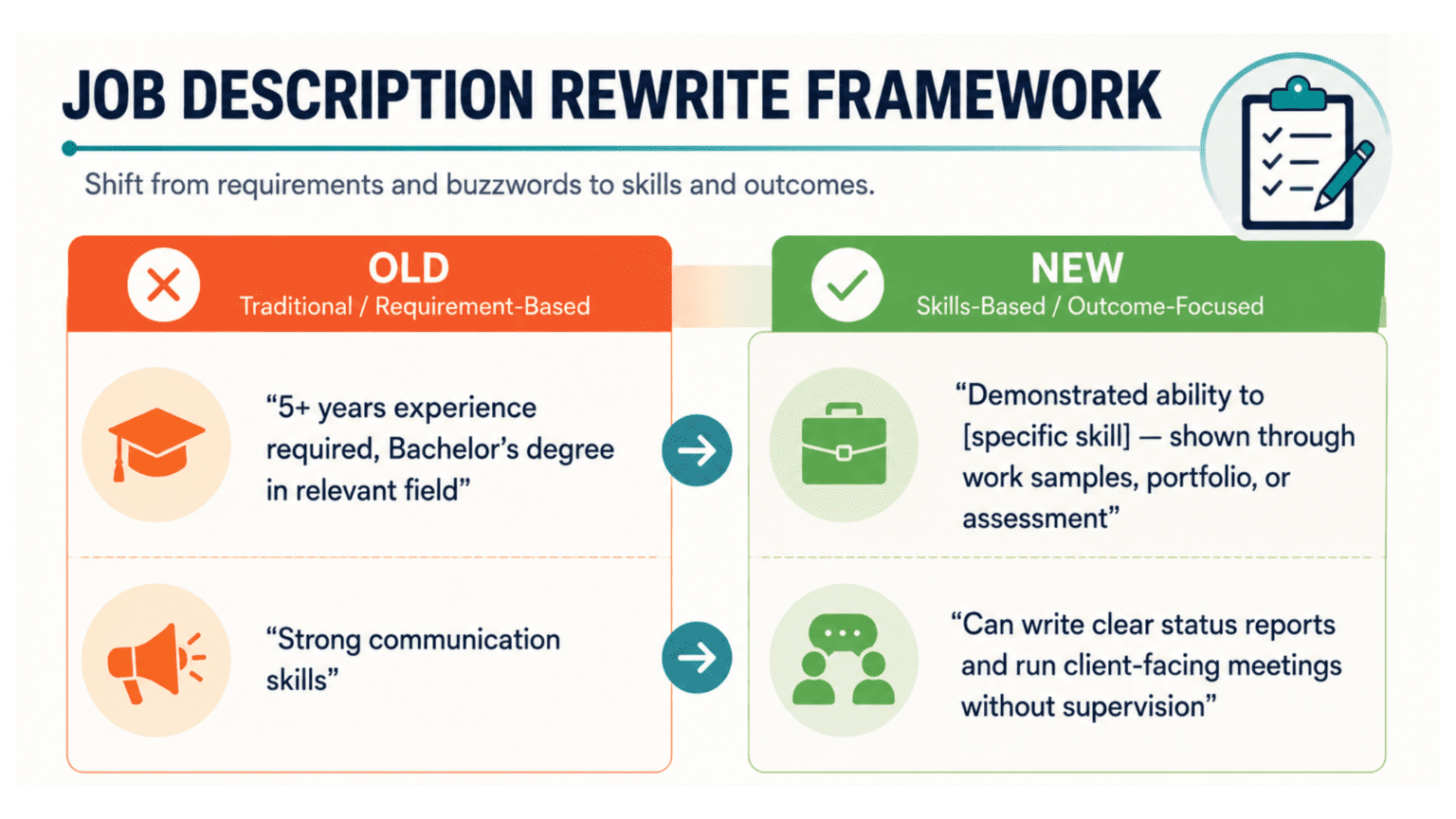
Audit your existing job descriptions. Remove arbitrary degree and experience-year requirements unless they’re genuinely necessary. Replace them with specific skill-based criteria.
- Instead of ‘Bachelor’s degree required,’ write ‘Proven ability to manage data pipelines at scale’
- Use clear, measurable language candidates can self-assess against
- This alone expands your applicant pool significantly
Step 3 — Use skills assessments and structured interviews
This is where skill-based hiring really comes to life. Replace or supplement unstructured interviews with tools that actually test what you need to know.
- Pre-hire skills assessments (technical, situational, or cognitive)
- Work sample tests or job-simulation tasks
- Structured behavioral interviews with consistent scoring rubrics
Step 4 — Train hiring managers on the new process
Even the best skills based hiring framework will fail if your hiring managers don’t understand or trust it. Invest in training before you roll it out.
- Explain why skills based hiring outperforms credential-based screening
- Show them how to use assessment data in decision-making
- Build in feedback loops so the process improves over time
1: Skills based hiring workflow (end-to-end)
2: Job description rewrite framework
Suggested Reading:
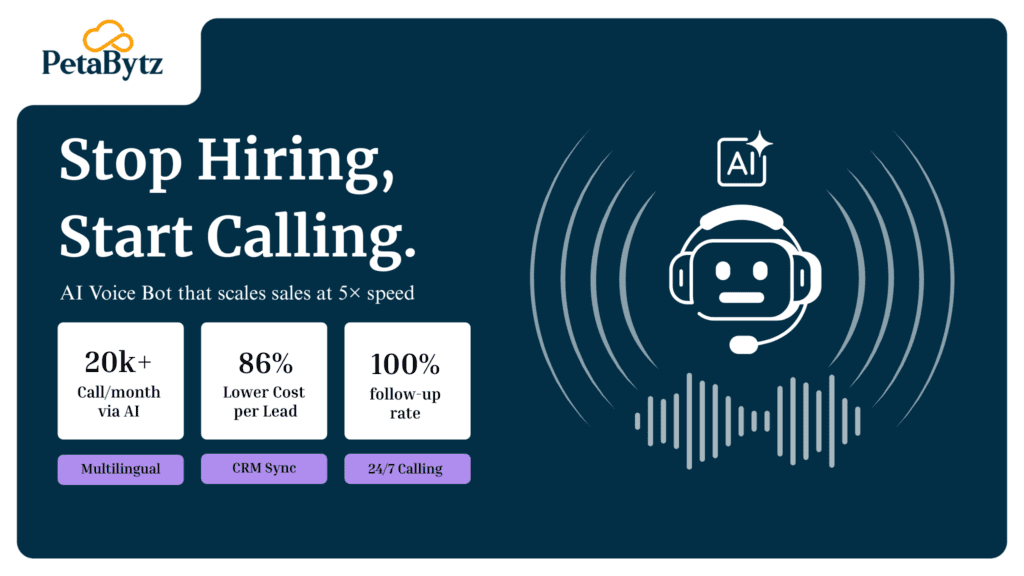
Stop Hiring, Start Calling: How an AI Voice Bot Scales Sales at 5× SpeedCommon challenges with skill based hiring -and how to overcome them
Resistance from HR teams and hiring managers
Most HR professionals were trained in credential-first hiring. Changing that mindset takes time and evidence.
- Share data — show internal retention rates of degree vs. non-degree hires
- Run a pilot program with one department before scaling
- Celebrate early wins loudly — momentum builds fast once results show up
Lack of proper assessment tools
You can’t do skills based hiring without reliable ways to actually test skills. Many companies try to rely on interviews alone — and that defeats the purpose.
- Invest in pre-hire assessment platforms (TestGorilla, Vervoe, Harver)
- Build internal work-sample tests for your top roles
- Partner with a staffing provider who already has assessment infrastructure in place
Balancing skills with culture fit
Skills matter. So does how someone works with a team. The good news is these aren’t in conflict — you just need to assess both intentionally.
- Use structured behavioral interviews to assess teamwork and communication
- Define ‘culture fit’ in observable, specific terms — not just vibes
- Skills based hiring doesn’t remove human judgment — it just adds rigor before it
Real-world results – what companies are seeing
IBM, Google, and Accenture are leading the way
Some of the world’s most competitive companies have already ditched degree requirements and switched to skills based hiring — and the numbers back them up.
- IBM removed degree requirements from 50%+ of its U.S. job postings, opening roles to millions of previously excluded candidates
- Google found that after 4 years on the job, the performance difference between degree-holders and non-degree-holders becomes statistically negligible
- Accenture’s skills based hiring approach contributed to a 50% increase in diverse senior hires within three years
The data on skills based hiring outcomes
The business case for skill-based hiring is now well-established. Multiple large-scale studies confirm the same story.
- Companies that use skills based hiring are 60% more likely to make a successful hire (TestGorilla, 2023)
- Organizations using structured skills assessments cut time-to-hire by an average of 40%
- Employee retention improved by 25% when skills based hiring replaced credential-first screening (LinkedIn, 2024)
Best practices to improve your skills based hiring process
- Start with your highest-impact roles first. Piloting skills based hiring in one team lets you prove ROI before scaling. Pick the role where mis-hires hurt most.
- Use multiple evaluation methods. No single assessment tells the whole story. Combine skills tests, work samples, and structured interviews for a complete picture.
- Create a skills inventory for your organization. Know what skills your top performers have. Use that data to define hiring benchmarks — not industry norms.
- Track quality of hire, not just speed of hire. Measure 6-month and 12-month performance of skills-based hires vs. credential-based hires. Let the data guide you.
- Review and update your skills criteria regularly. Skills evolve as industries change. Make skill requirement reviews a quarterly or annual habit.
- Don’t abandon judgment entirely. Skills based hiring sharpens your process — it doesn’t replace experienced hiring instincts. Use data to inform, not automate, every decision.
How the right hiring partner helps you implement skills based hiring faster
Building a skills based hiring strategy from scratch is possible — but it’s time-consuming. Defining skills frameworks, sourcing assessment tools, training managers, and iterating on job descriptions all take resources most HR teams don’t have spare.
That’s where a specialized hiring and staffing service changes everything. When you partner with a team that already operates a skills-first model — with pre-built assessments, vetted talent pipelines, and structured evaluation processes — you skip the setup entirely.
- Instant access to pre-screened, skills-verified candidates
- Assessments already mapped to role-specific competencies
- Faster time-to-hire with less internal burden on your HR team
- Consistent hiring quality across departments and locations
Conclusion — you don’t need to overcomplicate this
Skills based hiring isn’t a radical reinvention of HR. It’s a smarter, more honest way to match people to work. You don’t need to overhaul everything overnight.
Start by auditing one or two of your most critical roles. Rewrite the job descriptions. Add a skills assessment to your process. Measure the results. Then scale what works.
The companies winning the talent war right now aren’t the ones with the biggest job boards. They’re the ones who figured out skill-based hiring before their competitors did.
You already have what it takes to make this shift. The skills based hiring guide above gives you the roadmap. All that’s left is to start.
Ready to transform your hiring quality? Start auditing your current hiring process today — or connect with Petabytz to fast-track your skills based hiring strategy with expert support.
Website: www.petabytz.com
Email: info@petabytz.com
Ready to move faster than your competitors? Talk to Petabytz today
Contact UsFrequently Asked Questions (FAQ’s)
Q1: What is skills based hiring and how is it different from traditional hiring?
Skills based hiring evaluates candidates on their actual ability to perform job tasks, rather than their educational background or job titles. Unlike traditional hiring, it uses assessments and structured interviews to verify real-world capability before making a hire.
Q2: How do I start implementing a skills based hiring strategy?
Begin by identifying the critical skills required for your top roles, then rewrite job descriptions to reflect those competencies. Add pre-hire skills assessments, train your hiring managers, and track quality-of-hire metrics to refine the process over time.
Q3: Does skill based hiring work for non-technical roles?
Absolutely. Skills based hiring applies to any role where specific competencies drive performance. Sales, operations, customer service, and leadership positions all benefit from competency-based evaluation — not just technical or engineering roles.
Q4: What are the biggest benefits of skills based hiring for employers?
The top benefits include better hire quality, reduced bias, improved workforce diversity, and higher employee retention rates. Companies using skill-based hiring also report faster time-to-fill and lower overall cost-per-hire over time.
Recent Posts